At BYBORRE, I evolved from intern to Digital Designer and P.A., contributing across brand communication, photography, and onboarding for the BYBORRE Create™ platform. I later refined its color interface in my UX/UI thesis, translating complex knitting machine parameters into an intuitive digital experience.
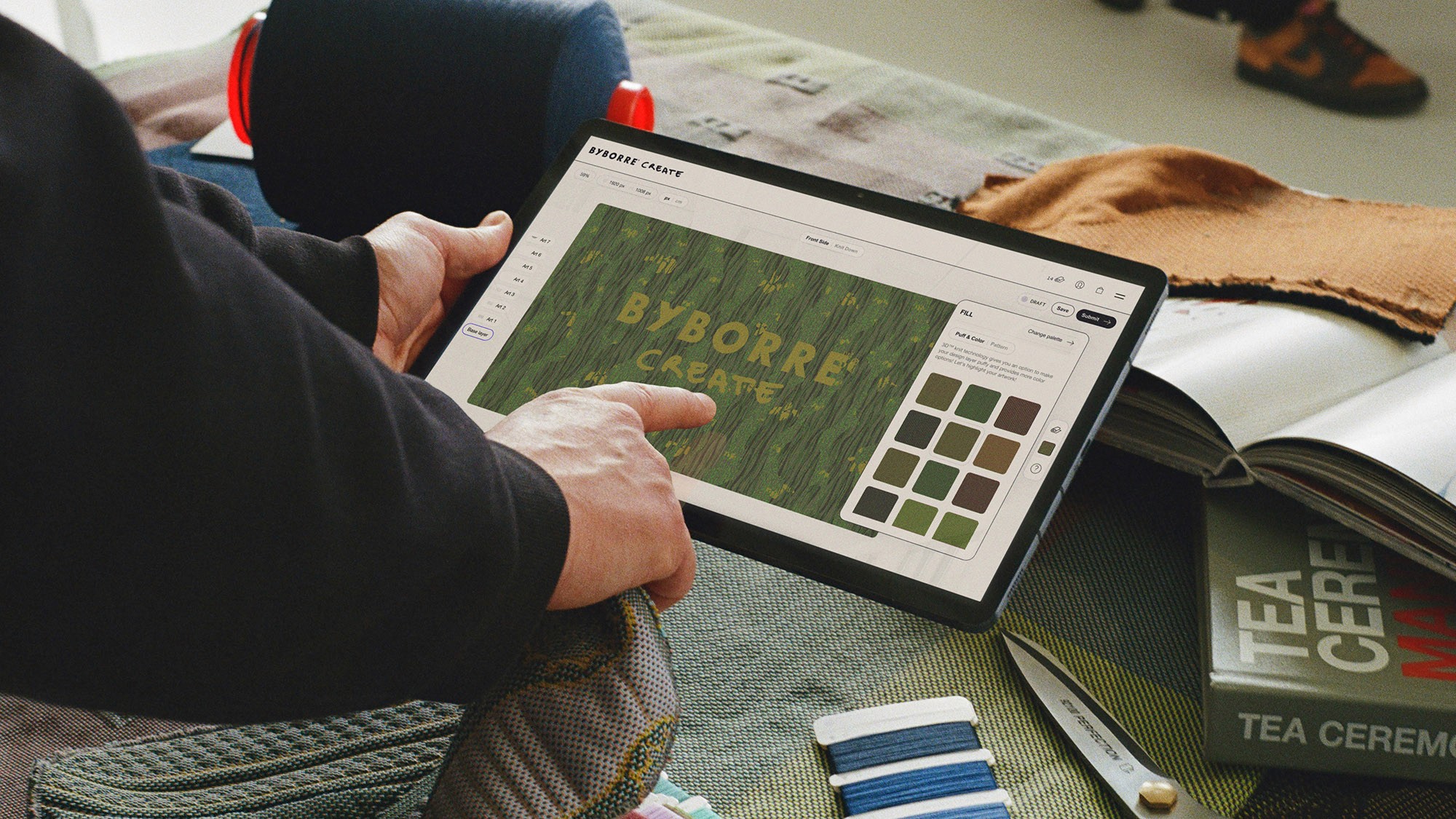
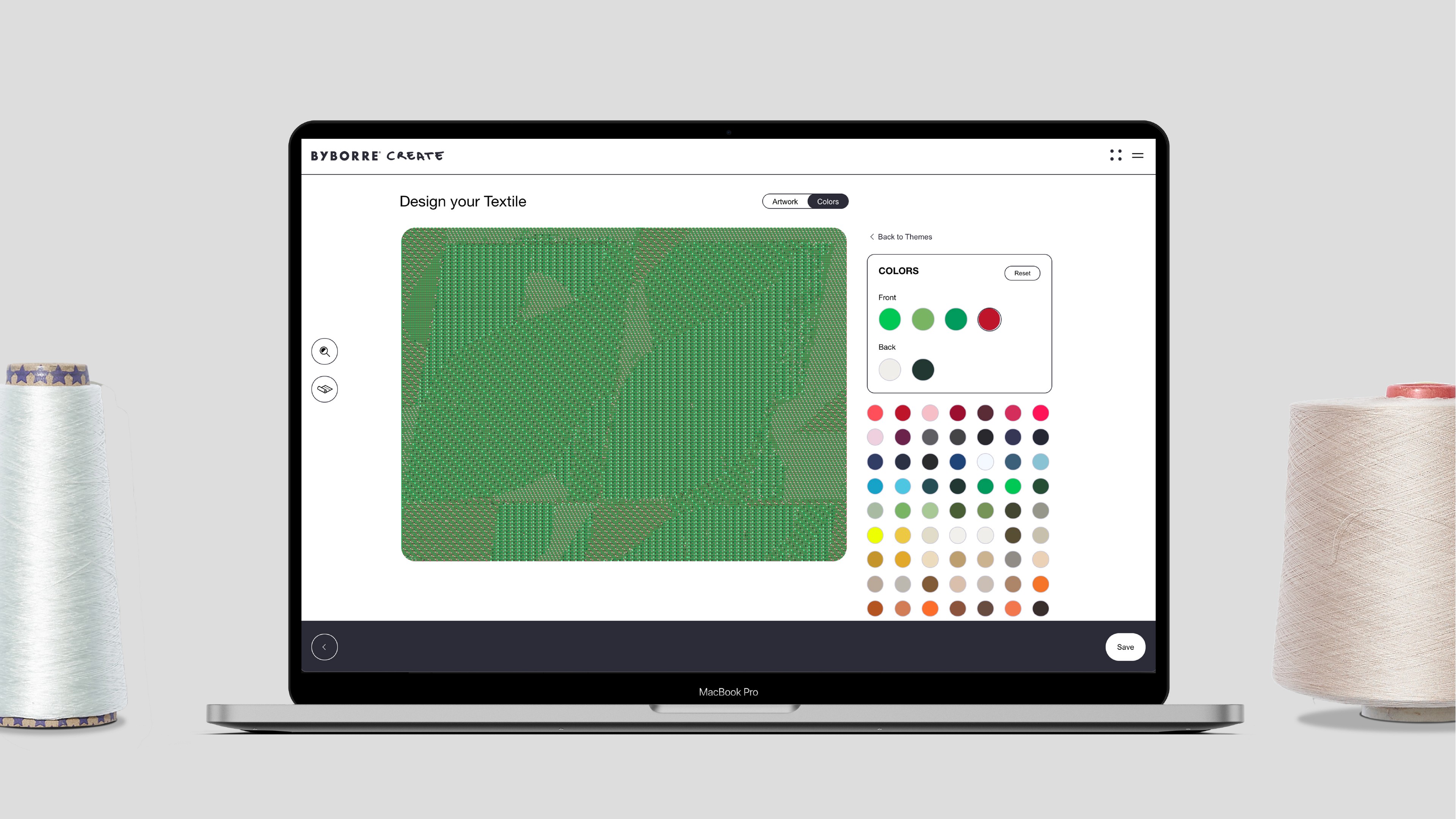
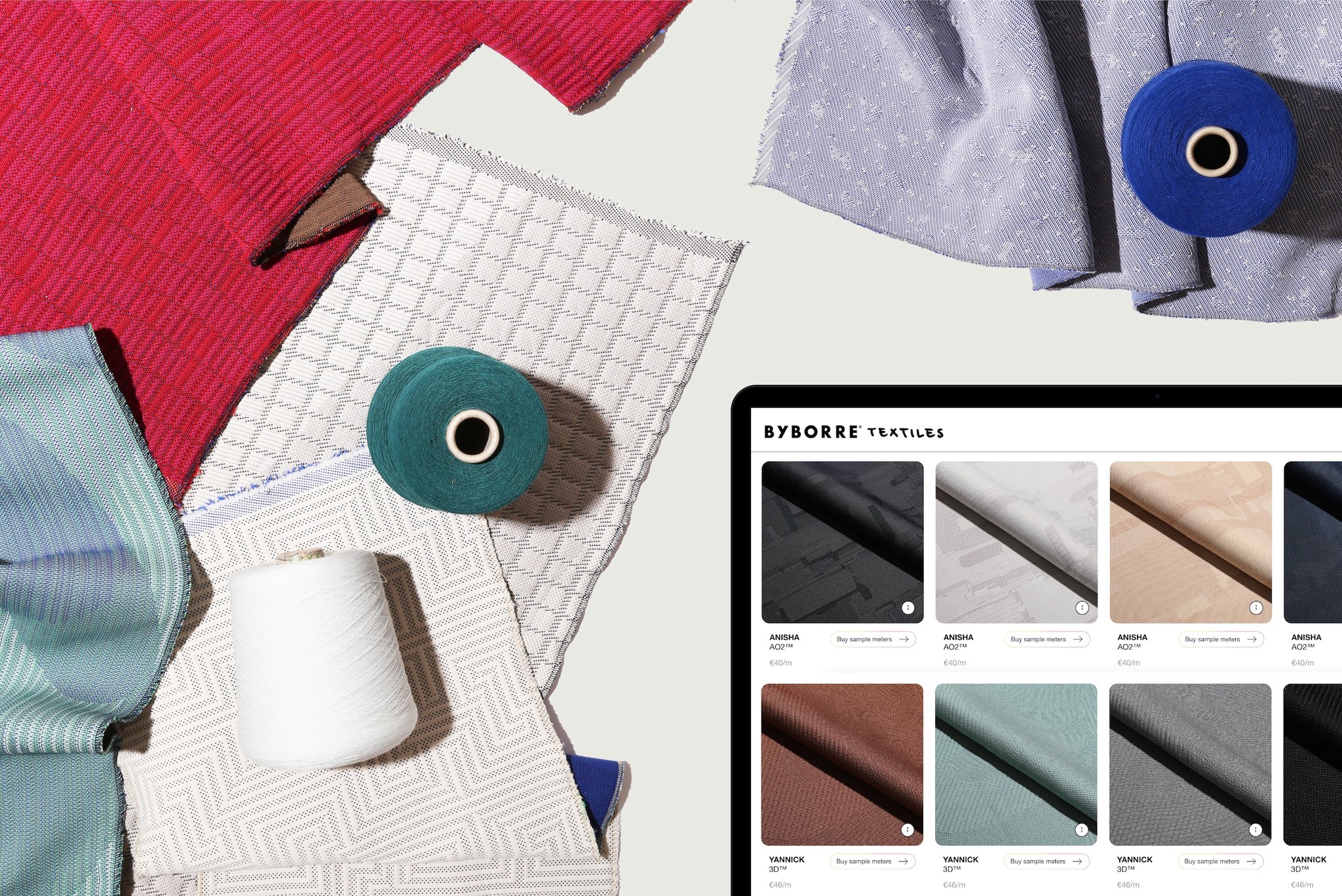
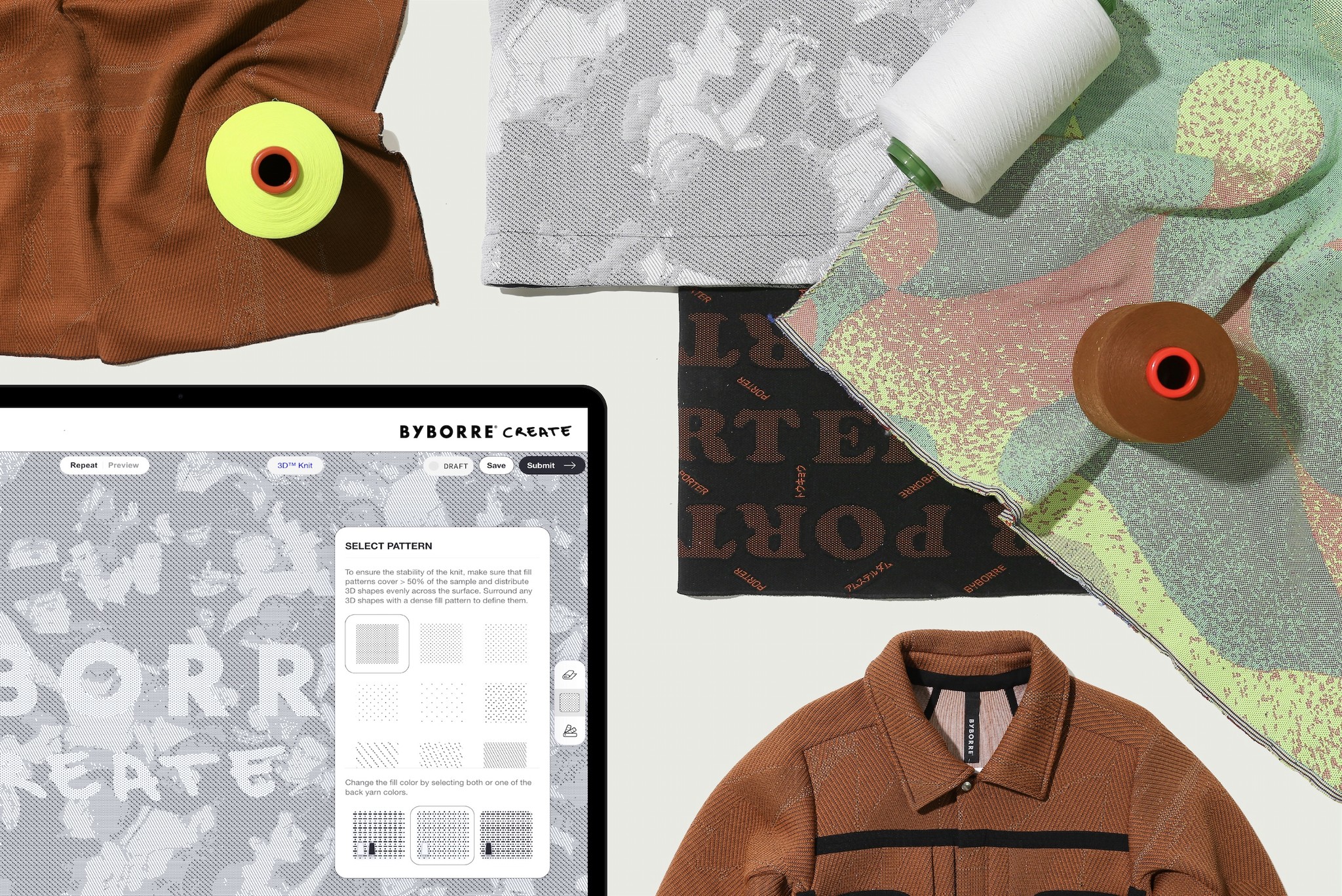
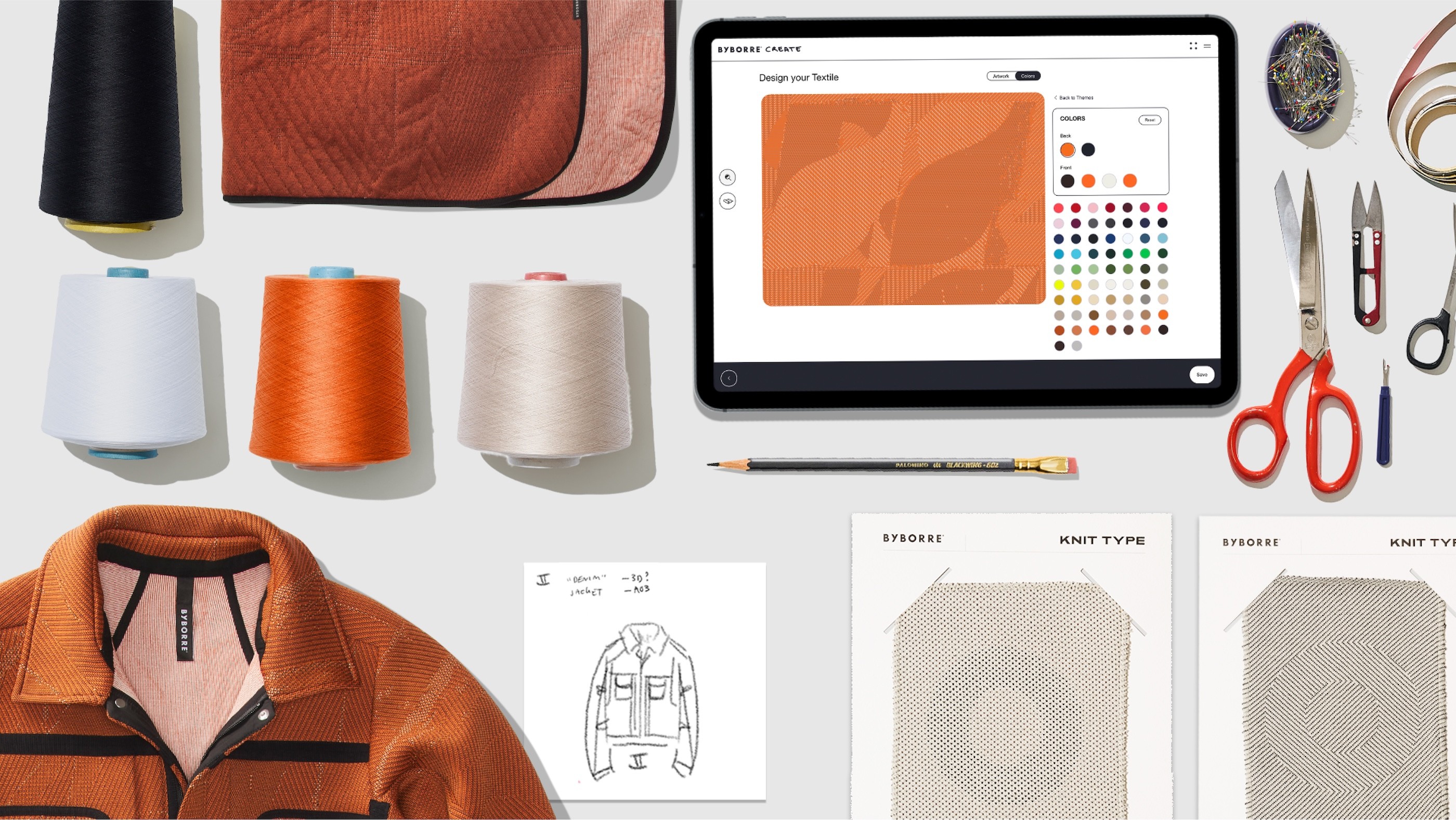
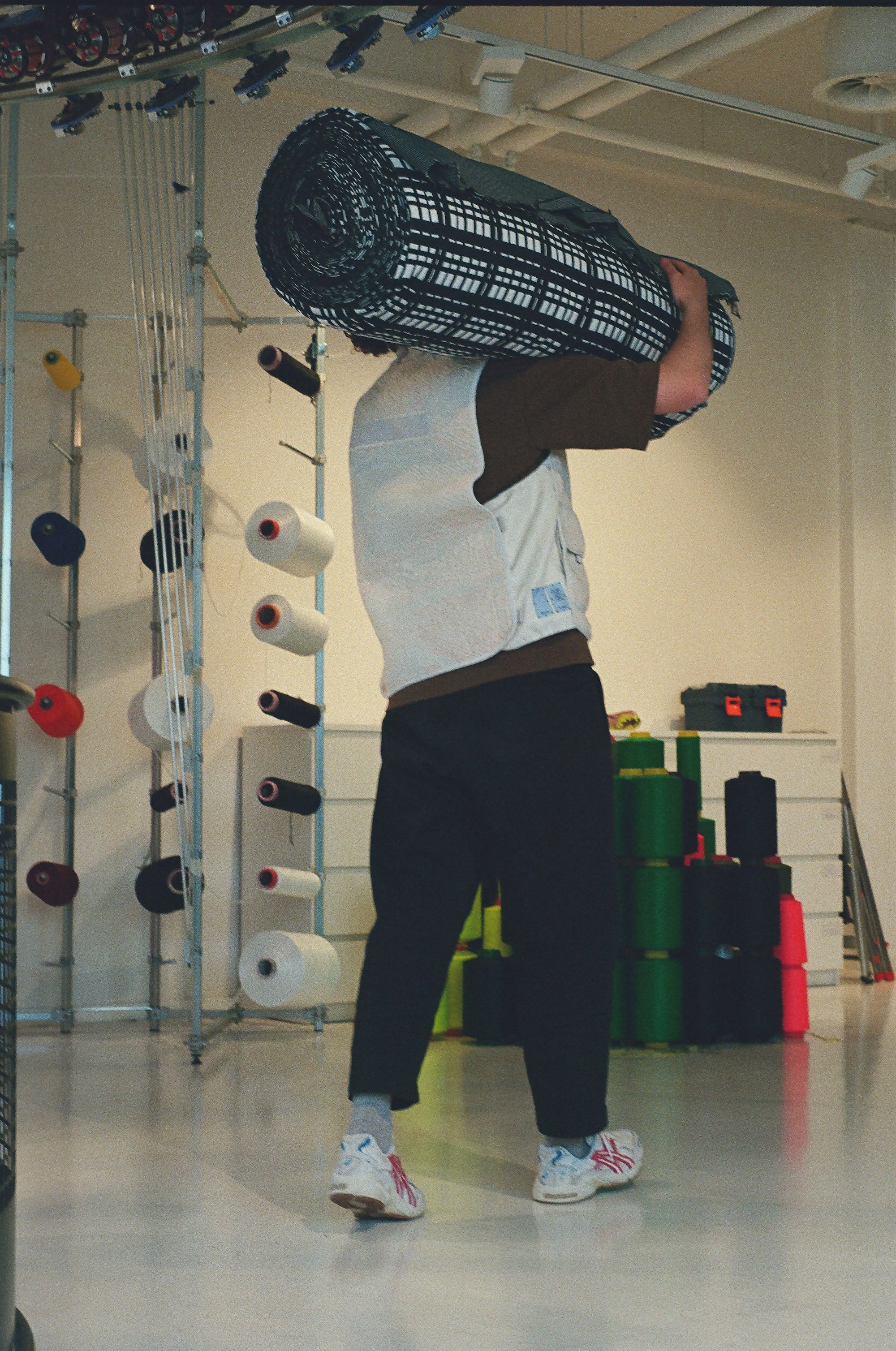
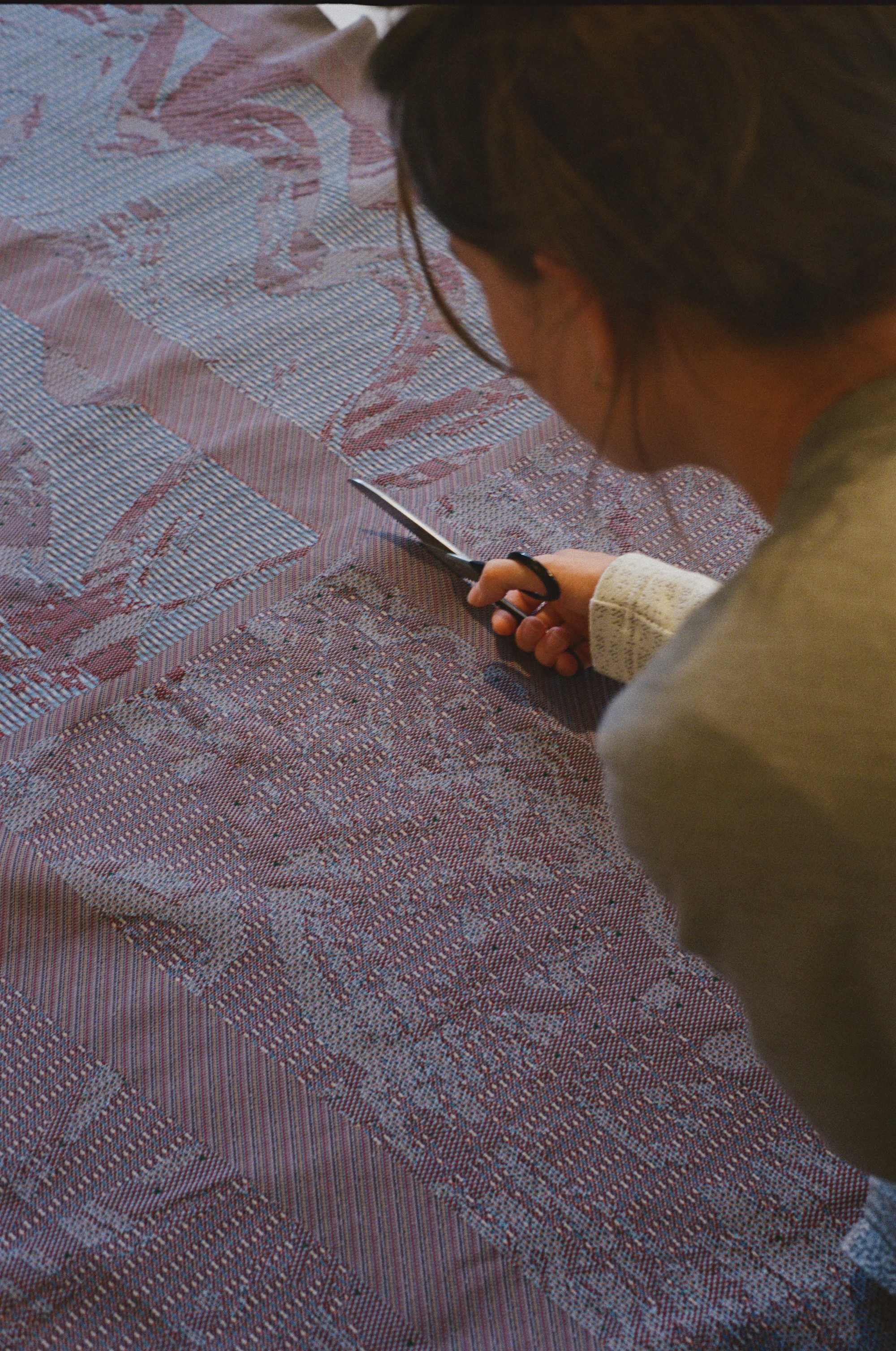
At BYBORRE, I progressed from Digital Design Intern to Digital Designer and P.A. to founder Borre Akkersdijk, contributing to brand communication, presentations, design consultancy, and photography (featured here), capturing textiles and creating imagery assets for press and external communication. I also created textile samples for Prada, ComplexCon, 100 Thieves, Moooi, and Moncler, as well as textile designs for BYBORRE’s evolving textile library. In addition, I led onboarding sessions for new clients on the BYBORRE Create™ tool, working with Ben Shaffer’s designers class from Apple, Danielle Cathari, artists such as Freddy Carrasco and Porky Hefer, and students from institutions including Design Academy Eindhoven and AMFI. I later completed my UX/UI thesis focused on the color system of BYBORRE Create™, tackling the challenge of improving the interface while translating the complex parameters of circular knitting machines into a clearer and more intuitive digital experience.
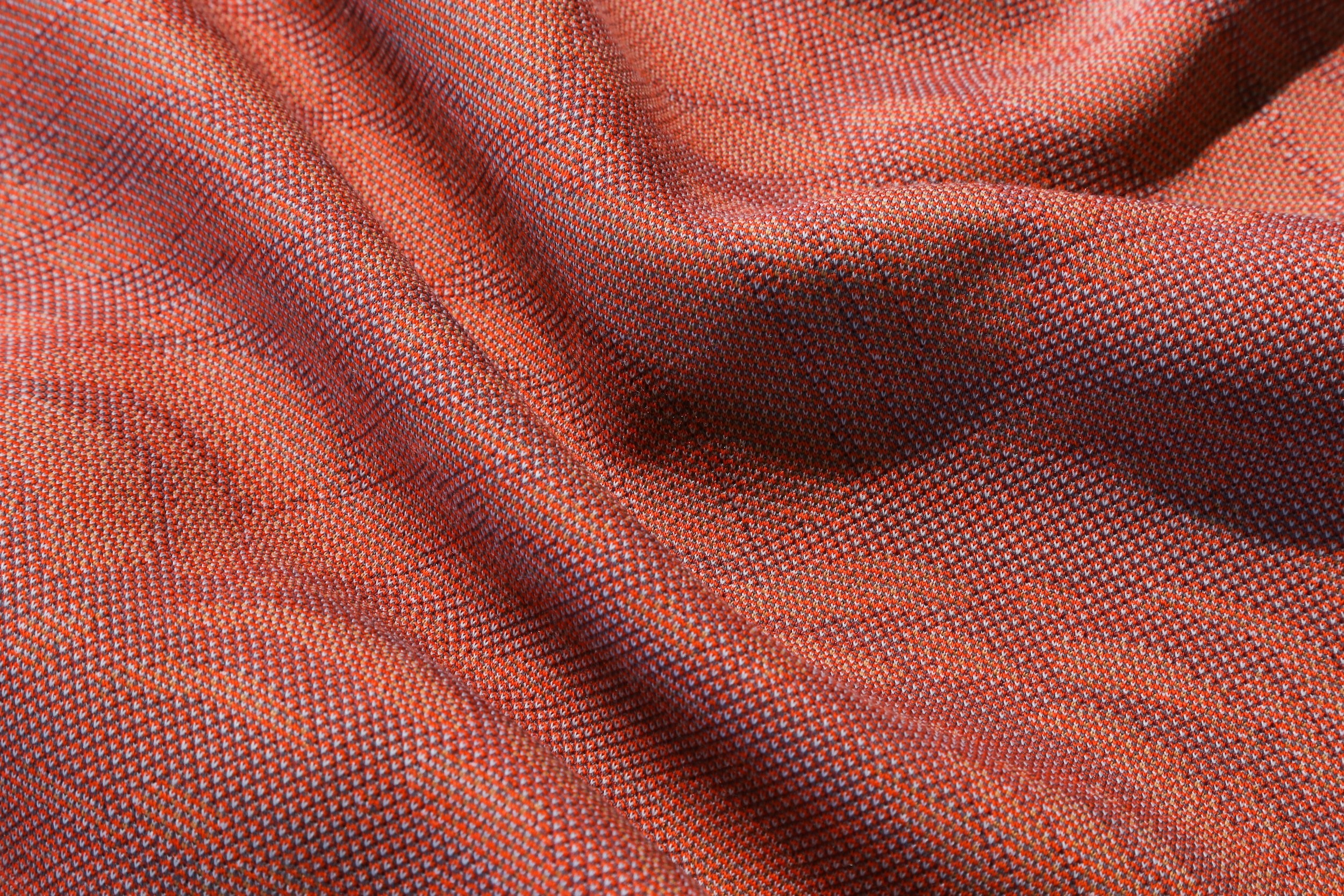
For my graduation thesis within the BYBORRE Create™ team, I redesigned the color experience of the digital textile tool, simplifying a highly technical system rooted in advanced circular knitting machines. The challenge was to make color creation intuitive for users without requiring them to understand the complex machine parameters that heavily influenced the outcome. Through research, stakeholder interviews, and iterative UX and UI design, I restructured the interface to focus on logic, clarity, and play.
My approach was simple: if you want to make an omelette, you only need to know the ingredients and how to combine them, not the chemistry behind the farm, the milk composition, or the production chain. Likewise, designers should be able to create textiles confidently without needing to understand the full technical complexity of the knitting machines. The result was a more accessible, intuitive, and enjoyable digital creation process.